
“Their job is to scam you.”
Victoria on getting past the stigma of being scammed.
Real stories from crypto holders, and expert guidance on spotting a scam before it costs you.
Steve Wisniewski spent his NFL career protecting the quarterback. A scammer still got through.
In this short film, Steve talks about what happened and the warning signs he sees now, so it doesn’t happen to you.

Victoria and other holders on what happened, and what they wish they’d spotted.
Victoria on getting past the stigma of being scammed.
Holders share the warning signs they missed.
Been scammed? Telling what happened could help someone else spot the signs sooner.
It can happen to anyone. Here’s what the FBI and Coinbase want you to know.
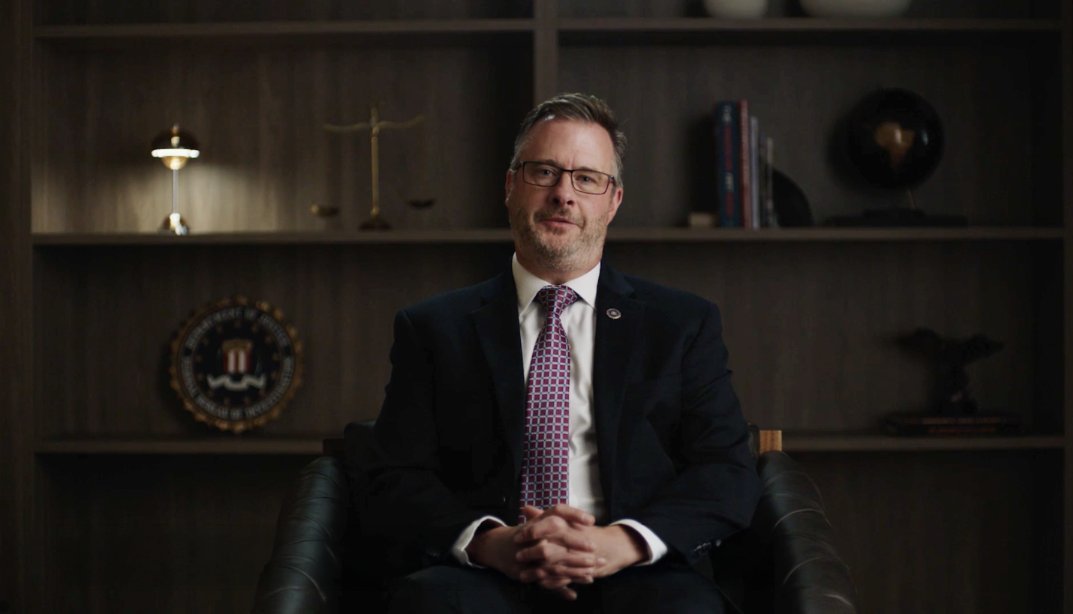
Agents from the FBI’s Virtual Assets Unit on the warning signs and what to do.
Prevention, protections and user education.
Scammers count on you deciding alone, and deciding fast. Before you send money or share a code, run it past someone you trust. It takes one message.
Six messages people really get. Decide if each one is a scam before the clock runs out.
Take a breath. Before you send money, click a link or share a code, remember PAUSE.
If you’re being rushed, slow down. Urgency is a scammer’s favorite tool.
Tell one person in your life before you send money or share anything.
Look up the real number or website yourself. Never use contact details you were sent.
No real bank, agency or business asks you to pay in crypto, gift cards or cash.
Talk about close calls and report losses. It protects the people around you.
You’re not alone, and it’s not your fault. Reporting quickly gives you the best chance of limiting the damage, and it helps stop the next scam.
Scammers often come back posing as people who can get your money back. Real agencies never charge a fee to do that.
0 of 3 steps done
File a complaint with the FBI’s Internet Crime Complaint Center (IC3). Include wallet addresses, transaction IDs and messages.
Go to IC3.govTell the Federal Trade Commission what happened. Reports help track scams and warn others.
Go to ReportFraud.ftc.govReach support through the official app or website you already use, never through a link or number someone sent you.

Learn how scams work and how to protect yourself, in short lessons you can take at your own pace.
Get the latest from NCA, straight to your inbox.
Help us reach people before scammers do.
NCA makes this guidance free. We work with organizations to put it in front of the people they serve. If that is part of your job too, get in touch.
43% of Americans who don’t own crypto rank security and fraud concerns among their top three reasons for staying out.
Source: NCA 2026 Crypto Readiness Report. Conducted online by The Harris Poll among 2,014 U.S. adults who don’t own crypto, June 24 to July 1, 2026.