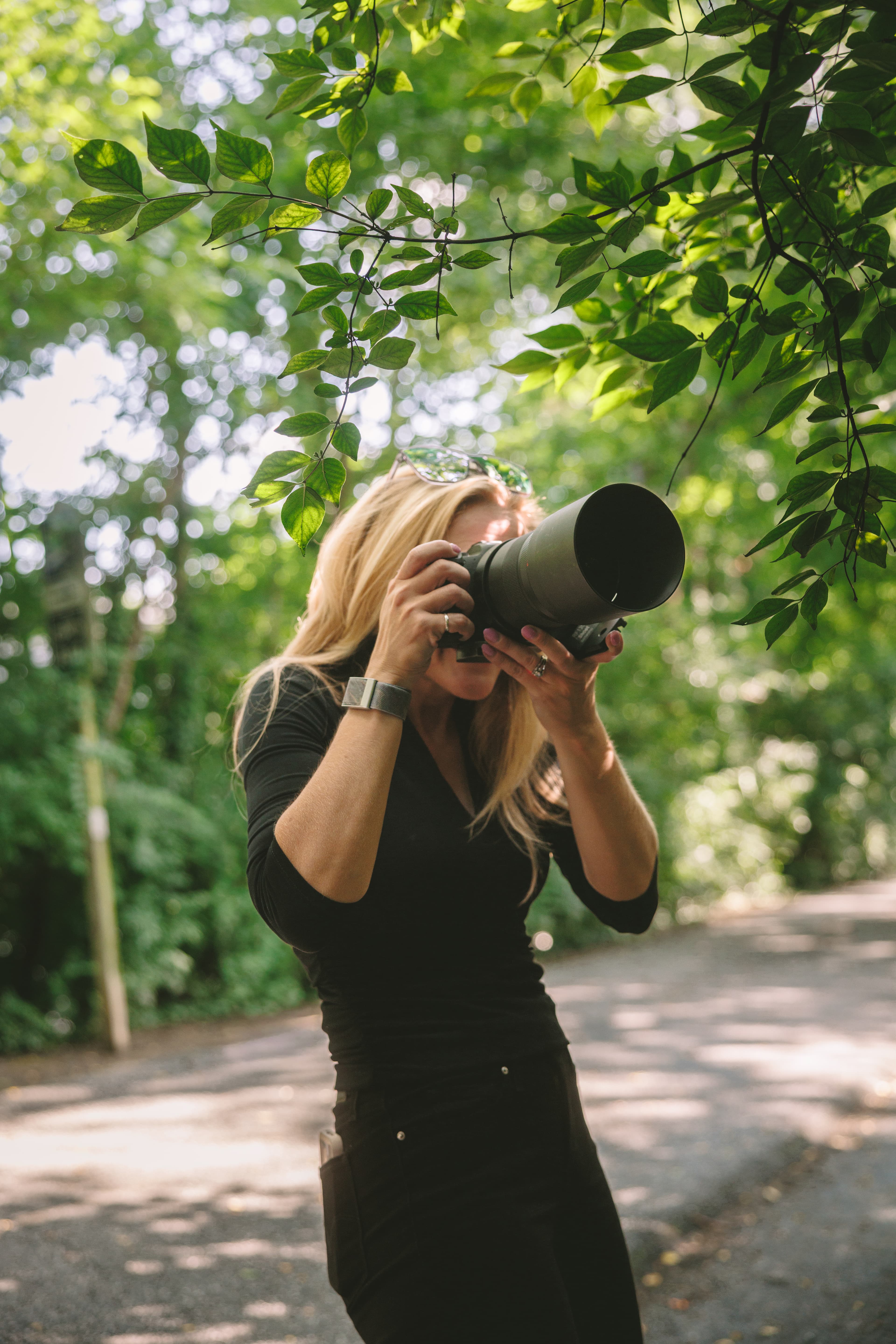
Kristina is a headshot photographer and Photoshop educator based outside Washington, D.C. She has spent over a decade helping people look their best on camera and teaching other creatives how to refine their digital craft.
She grew up in Africa, where her father worked as an economist focused on underserved communities. His career meant the family moved between countries where access to financial services looked very different from what most Americans experience.
Kristina saw what it meant when families had limited choices over how to save, move, or protect their money. She carried that awareness with her when she moved to the United States, even as she built a career unrelated to economics.
When her own finances shifted
COVID changed Kristina’s photography business almost overnight. Inflation started reshaping her household budget in ways that were hard to pin down. As the primary earner, she felt those shifts deeply.
And as AI tools began generating headshots and portraits, her profession started facing questions about its future that she hadn’t anticipated.
These pressures didn't come with obvious answers. But they made Kristina start looking for financial options beyond the ones she'd always used.
Crypto offered a solution
Kristina began hearing about crypto through conversations in her circle. She was curious, but as the breadwinner, she wasn't going to put her family’s money into something she couldn't fully understand. So she started learning.
She watched documentaries, read articles, and spent hours talking with people who understood digital assets better than she did. She wanted to understand what crypto actually did before deciding whether it belonged in her financial life.
It's a path many Americans can relate to. According to the NCA's Crypto Confidence Pulse, curiosity about crypto is high, but confidence often lags behind.
Her primary interest was financial due to her circumstances. After watching inflation reshape her household budget, she wanted to diversify her family's savings with a tool that worked differently from the accounts she'd always relied on. Crypto provided that: an additional option she could hold alongside her traditional accounts.
But she also recognized something relevant to her profession. Blockchain technology can also verify who created digital artwork and track its ownership history. For artists, that opens the door to proving authenticity, earning on resale, and protecting work from being copied without credit. It's a use case that other creatives like Autumn are already benefiting from.
“I realized pretty quickly that you have to understand the problems first. You can’t appreciate what crypto is solving if you don't know what’s broken.”
Kristina, Photographer & Educator
For anyone starting that same journey, the NCA's Crypto 101 course is built for taking your first step.
Where she is now
Today, Kristina holds crypto as part of her family's long-term savings. It sits alongside their traditional investment and savings accounts, not instead of them. After watching inflation reshape what her income could buy, she wanted another choice. Crypto gave her that.
She also accepts crypto payments for her photography business. Understanding crypto as a tool has shifted how she thinks about what's available to her and her family.
"People should be able to protect what they've earned," she says. "That's not a radical idea. It's a basic one."
Key takeaways
Kristina’s story shows how curiosity can lead to understanding. Rather than replacing her existing financial tools, crypto became an additional option alongside them. It also introduced new possibilities in her work, like proving ownership and tracking how her content is used. Taking the time to learn helped her decide how, and if, crypto fit into her life.